Fissure sealants
A protective material is placed into the natural grooves of teeth where food and plaque can collect easily. Sealants can help reduce the chance of decay in these areas.
You do not need to know the treatment name before you visit. Explore what each area of care covers, then use our appointment concierge to tell us what is happening and let us guide you to the right starting point.
Every visit begins with an assessment of what is happening. The team can then explain the findings, discuss suitable treatment and agree the next step with you.
Preventive care is about protecting your teeth before a problem becomes bigger. These services are particularly useful as part of regular dental care and for younger patients where appropriate.
A protective material is placed into the natural grooves of teeth where food and plaque can collect easily. Sealants can help reduce the chance of decay in these areas.
Fluoride is applied topically to help strengthen tooth enamel and support protection against decay. The team can advise when this is appropriate for you or your child.
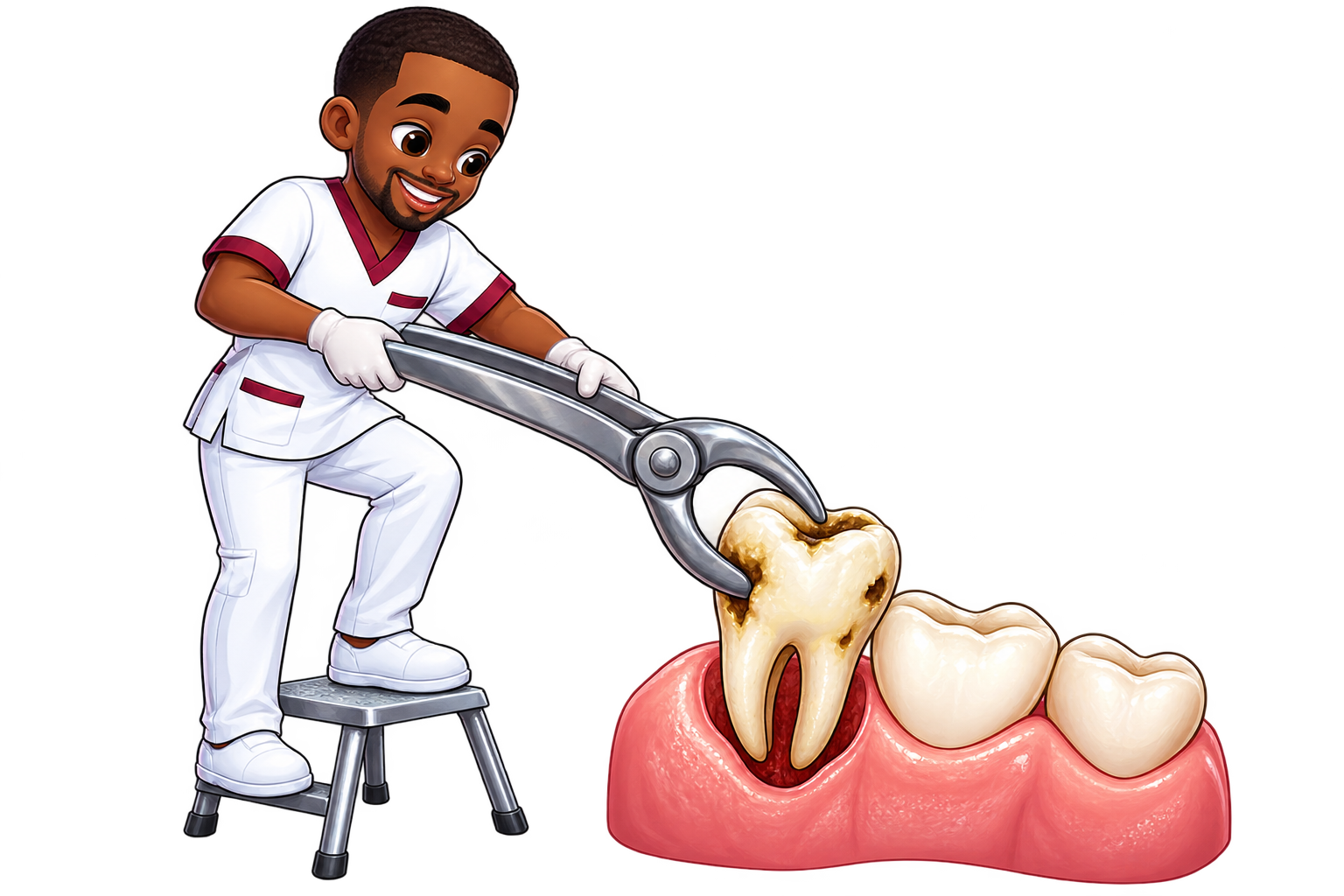
This is where many everyday dental concerns begin. If you have pain, sensitivity, a broken tooth, a loose tooth, a cavity or you simply are not sure what is wrong, a general dental assessment is a sensible starting point.
When a tooth needs to be removed, the dentist first assesses the tooth and surrounding area, explains why removal is recommended and talks you through what to expect.
A filling is used to restore a tooth affected by decay or damage. The dentist will assess the tooth and explain the most suitable way to restore it.
When the inside of a tooth is inflamed or infected, root canal treatment can be used to clean the affected area and preserve the tooth where appropriate.
A crown can help restore and protect a weakened tooth. A bridge can replace one or more missing teeth by using neighbouring teeth or other suitable support.
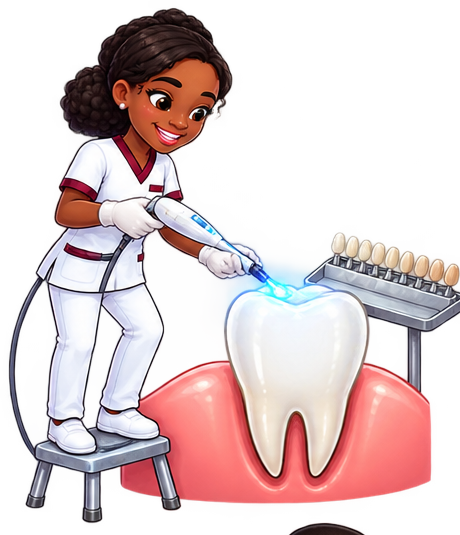
Cosmetic dentistry focuses on the appearance of your smile and how you feel about it. You do not need to arrive knowing exactly what treatment you want.
Start by explaining what you would like to change about your smile. The team can assess your teeth and discuss the options that may be appropriate for your goals.
The focus is on understanding the result you want, considering the health of your teeth and creating a treatment approach that is suited to you.
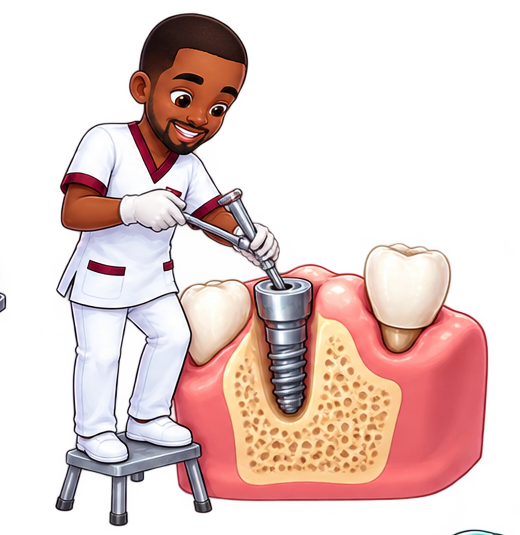
Prosthetic care helps restore function and appearance where teeth are missing or need significant restoration.
Removable dentures can be used to replace several missing teeth or a full set of teeth. The team assesses your mouth and discusses the option that may suit your needs.
Implants are used in the replacement of missing teeth and involve careful assessment and treatment planning. The team can explain whether this is appropriate and what the process involves.
Crowns can restore weakened teeth while bridges can replace missing teeth. The dentist will assess the supporting teeth and discuss the most suitable approach.
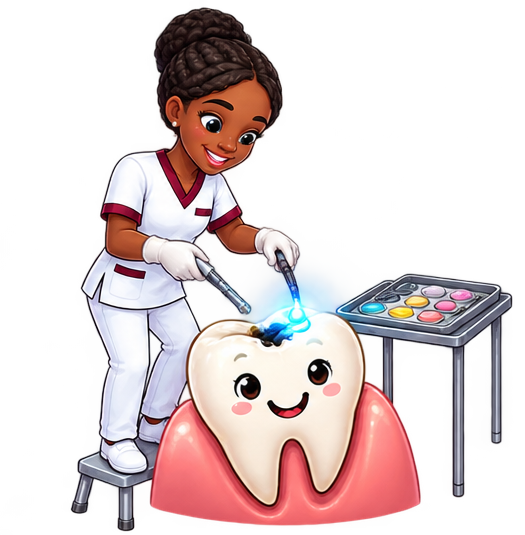
Children need dental care that matches their age, development and comfort. The team can help with both prevention and treatment for growing smiles.
Professional cleaning and preventive care to help keep a child's teeth and gums healthy and to build positive dental habits.
Restoration of teeth affected by decay, with the approach adapted to the child's age and dental needs.
Removal of a tooth where the dentist determines that extraction is necessary and appropriate.
Care involving the affected part of the pulp in a baby tooth when treatment is needed to preserve the tooth and support the child's oral health.
Treatment involving removal of the pulp from a baby tooth when deeper infection or inflammation requires it.
Devices used in some children to help preserve space for developing permanent teeth after early loss of a baby tooth.
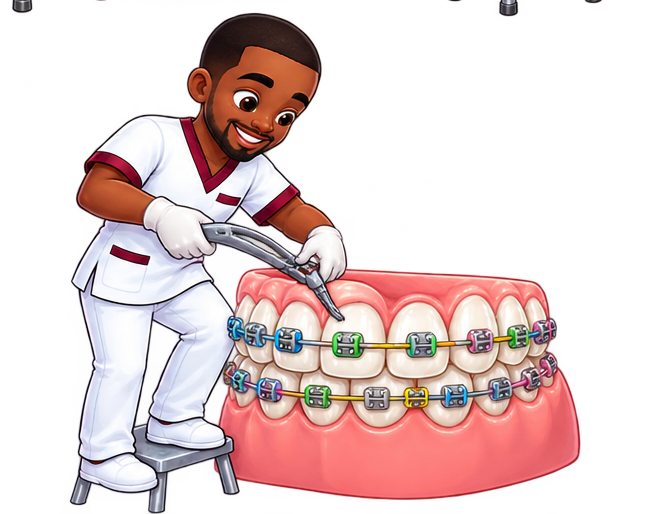
Orthodontic care focuses on the position and alignment of teeth. If you are concerned about crowded teeth, gaps or the way your teeth meet, an orthodontic consultation is the place to start.
Braces apply controlled forces to gradually move teeth into a more suitable position. The team will assess your teeth and explain the appropriate treatment approach.
Retainers help maintain the position of teeth after orthodontic treatment. The team can advise on the type of retainer and how it should be used.
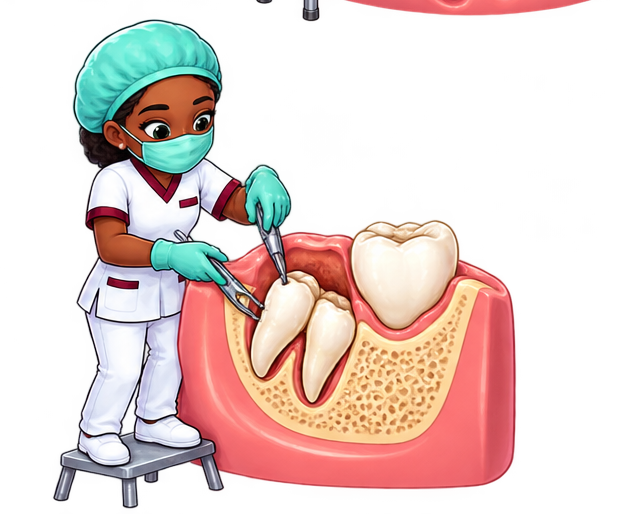
Minor oral surgery covers procedures that require surgical removal of teeth that are infected, impacted or difficult to remove through a routine extraction.
The dentist assesses the position of the tooth and surrounding structures before deciding whether surgical removal or another approach is appropriate.
Wisdom teeth that are impacted, partially erupted or causing problems may require surgical removal. The team will explain the findings and the next step after assessment.
You do not have to know the treatment name. Our appointment concierge will ask a few questions and help you choose the right starting point.
Book an appointment